
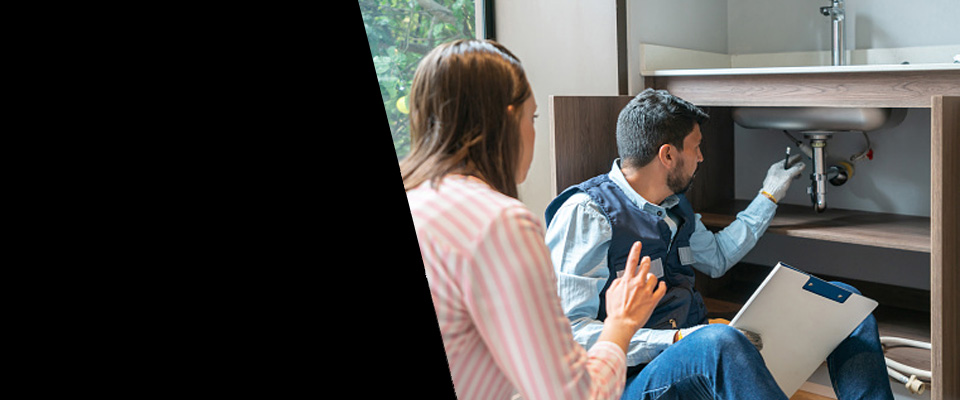
Greywater Recycling Systems Plumbing Services in Salem, IN
Salem Greywater Recycling Systems Professionals on call now in Washington County
Greywater Recycling Systems offers a sustainable plumbing service that focuses on reusing greywater from household sources from showers, sinks, and laundry for non-potable applications such as irrigation and toilet flushing. This green building technique reduces water consumption, lowers utility costs, and supports green building initiatives. Proper installation ensures compliance with local regulations and optimal performance
We provide excellent Plumbing services throughout Washington County. Whether you need help with Greywater Recycling Systems or other issues, our Experts is ready.

Plumbing Services in Salem, IN
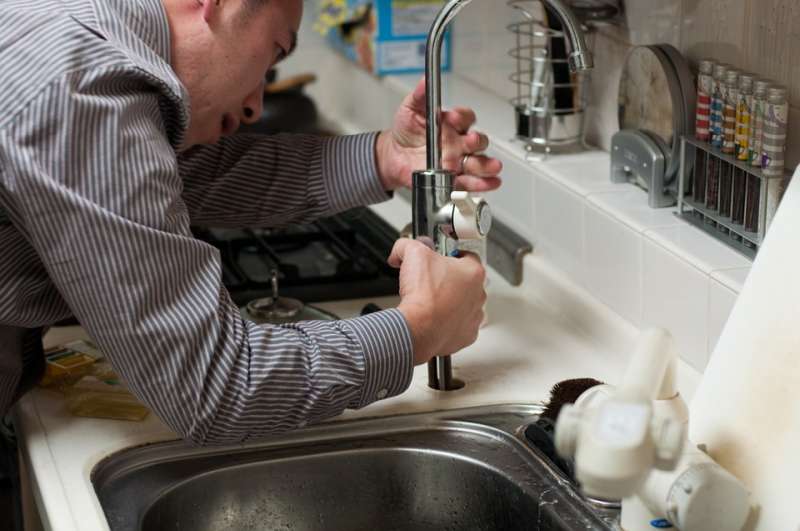
Appliances
Setting up dishwashers, hot water heater (tank and tankless), garbage disposals, and cleaning devices.
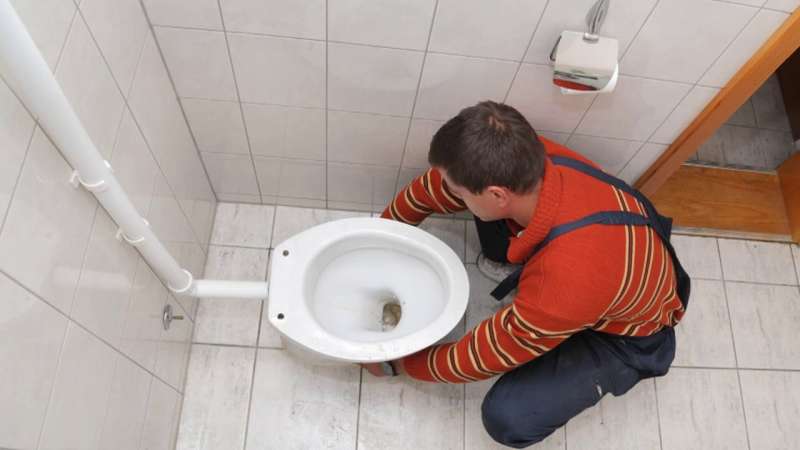
Backflow Testing and Prevention
Guaranteeing backflow prevention gadgets are working properly.
Bathroom and Kitchen Remodeling
Moving or upgrading plumbing systems.
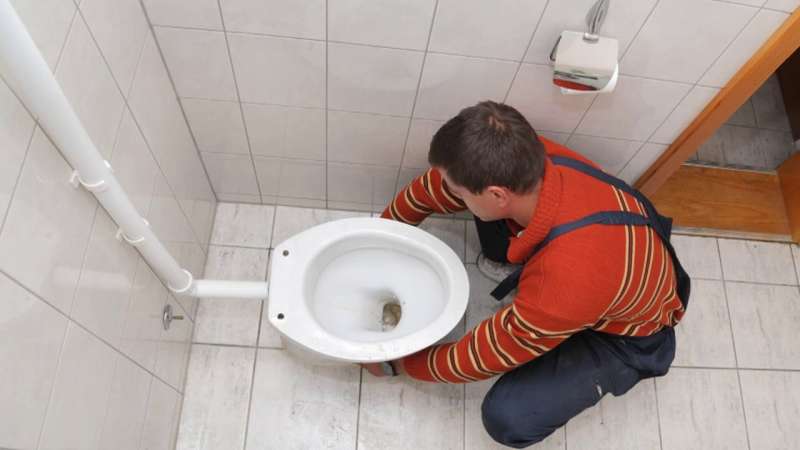
Building Code Compliance
Guaranteeing plumbing systems fulfill regional regulations.
Burst Pipes
Immediate response to prevent flooding and water damage.
Clogged Drains
Cleaning blockages in sinks, toilets, showers, and sewage system lines.
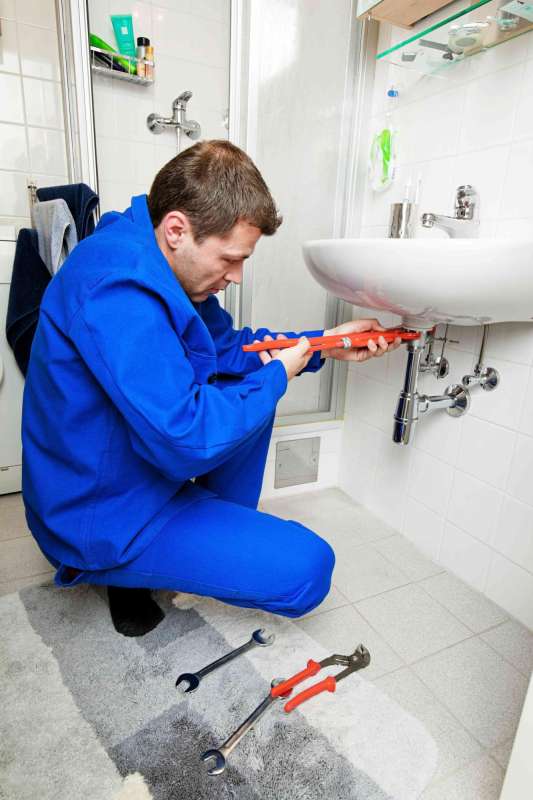
Drain Cleaning
Regular cleaning to prevent clogs and maintain flow.
Fixture Repairs
Repairing malfunctioning faucets, toilets, and other components.
Fixtures
Installation of sinks, faucets, toilets, tubs, and showers.

Gas Leaks
Emergency detection and repair work to prevent hazards.
Gas Line Repairs
Fixing gas leakages and ensuring appropriate gas line operating.
Greywater Recycling Systems
Establishing systems for reusing home wastewater.
Hydronic Heating
Installing and maintaining glowing flooring heating systems.
Industrial Pipework
Specialized piping for factories or industrial settings.
Irrigation Systems
Setting up and keeping outdoor irrigation.
Large-scale Installations
Plumbing systems for brand-new buildings or restorations.
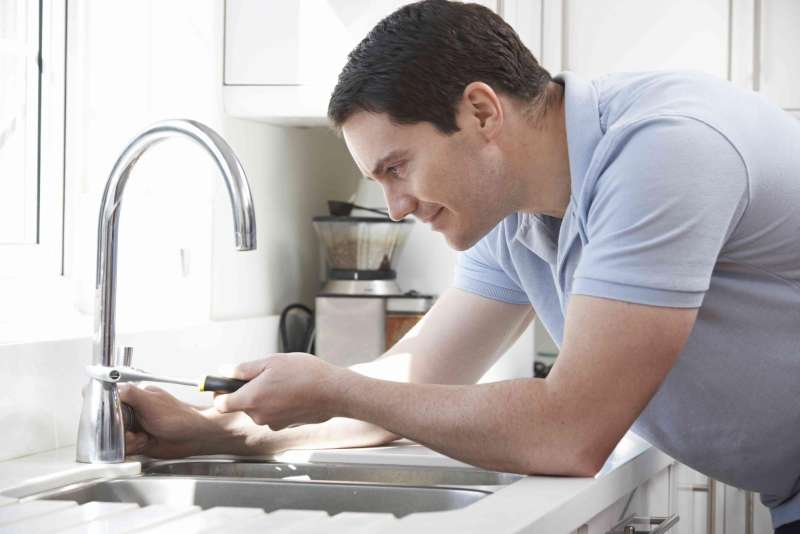
Leak Detection and Repair
Fixing leaks in pipelines, faucets, toilets, and appliances.
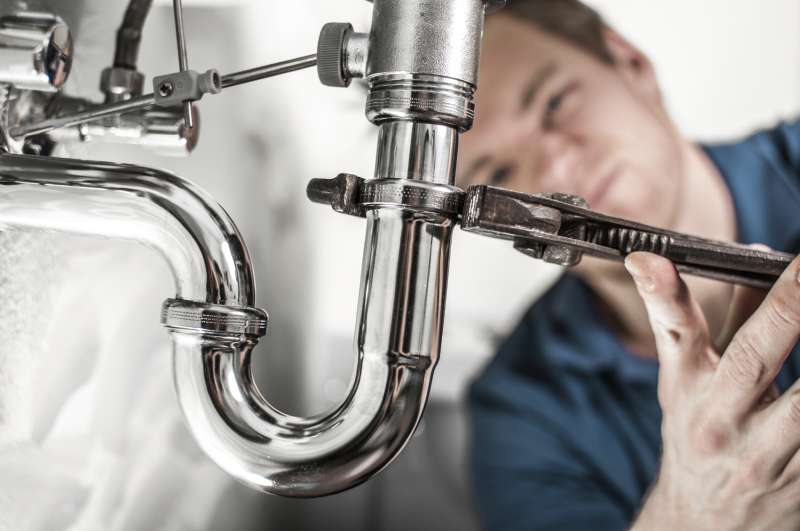
Overflowing Toilets
Quick resolution of severe clogs and overflows.
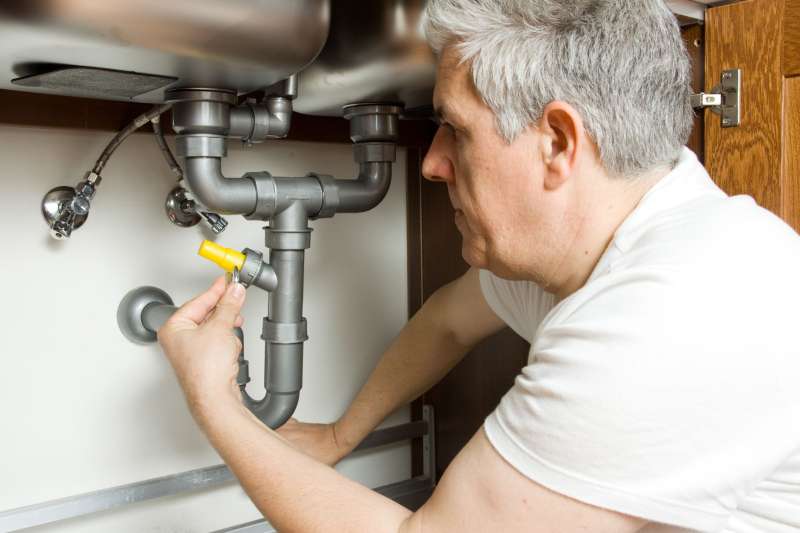
Pipe Inspections
Utilizing video cameras to check pipelines for damage or clogs.
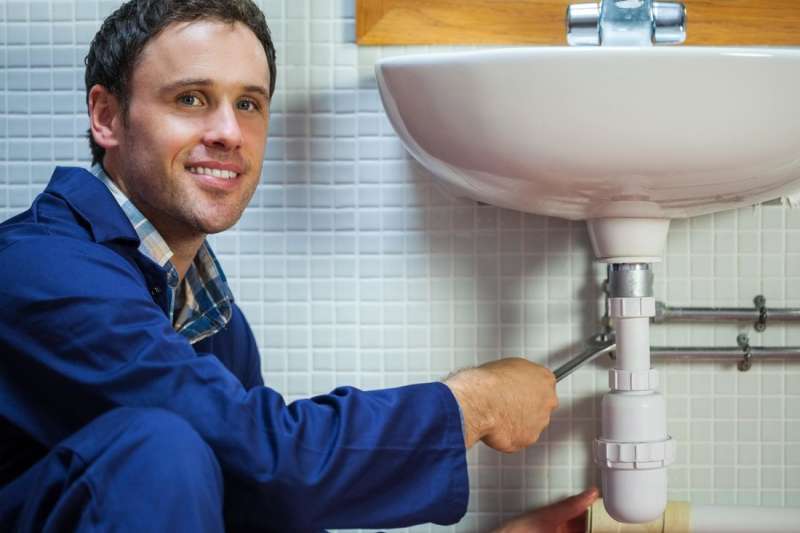
Pipe Repairs
Repairing or changing burst, worn away, or damaged pipelines.
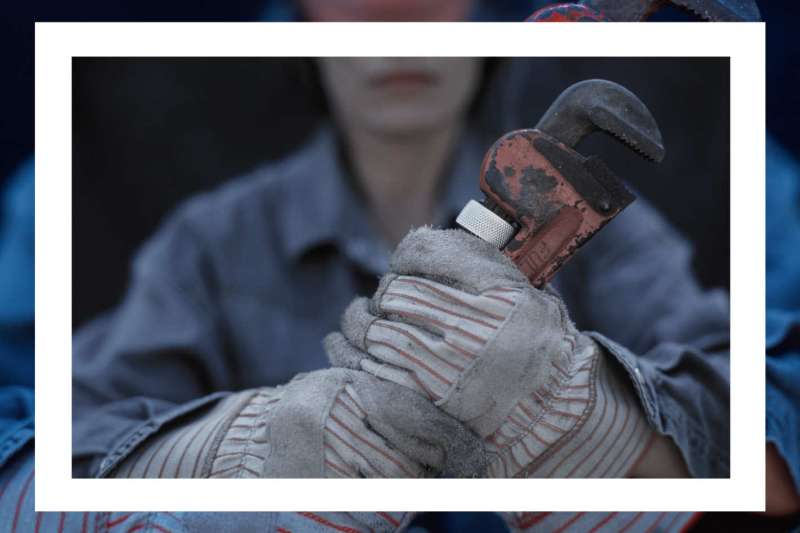
Pipes and Fittings
Setting up brand-new piping systems for water, gas, and drain.
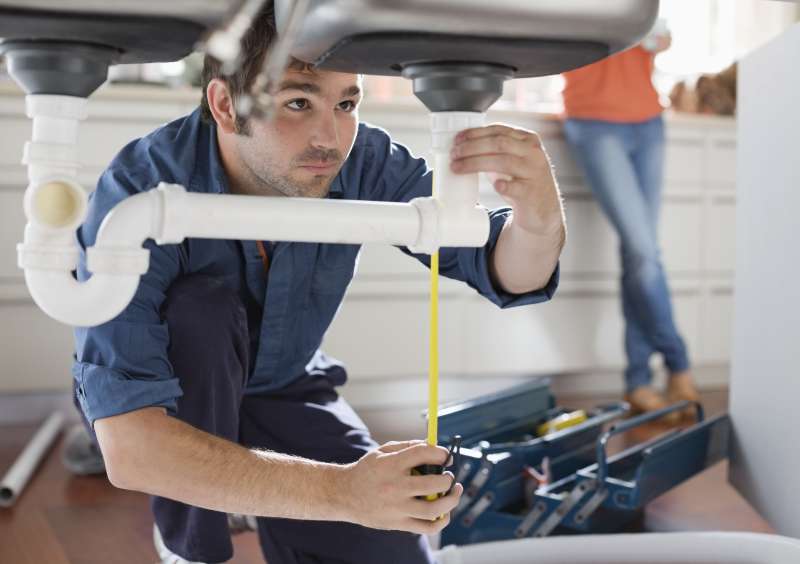
Pre-Purchase Inspections
Evaluating plumbing systems before purchasing property.
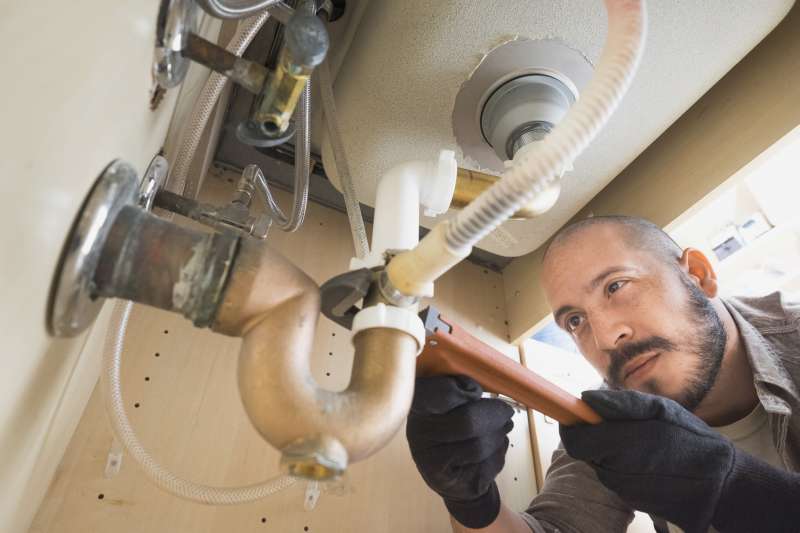
Rainwater Harvesting Systems
Installing systems to collect and use rainwater.
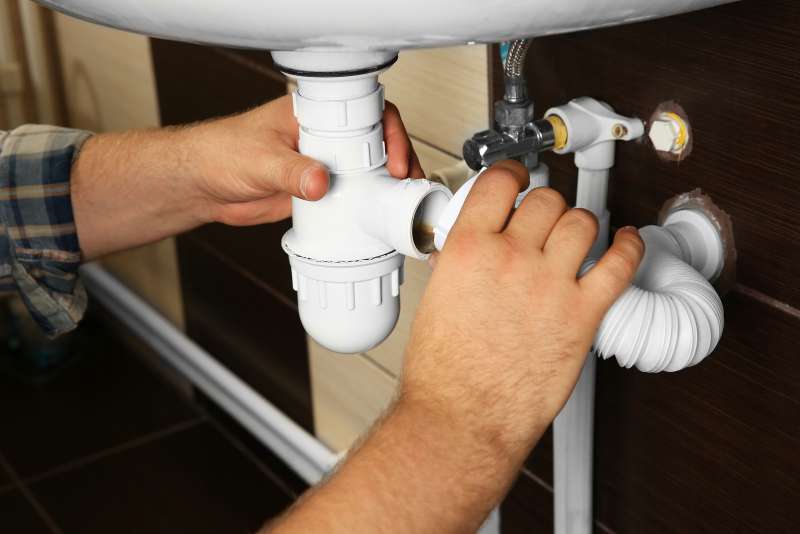
Regular Maintenance Contracts
Continuous maintenance services for companies.
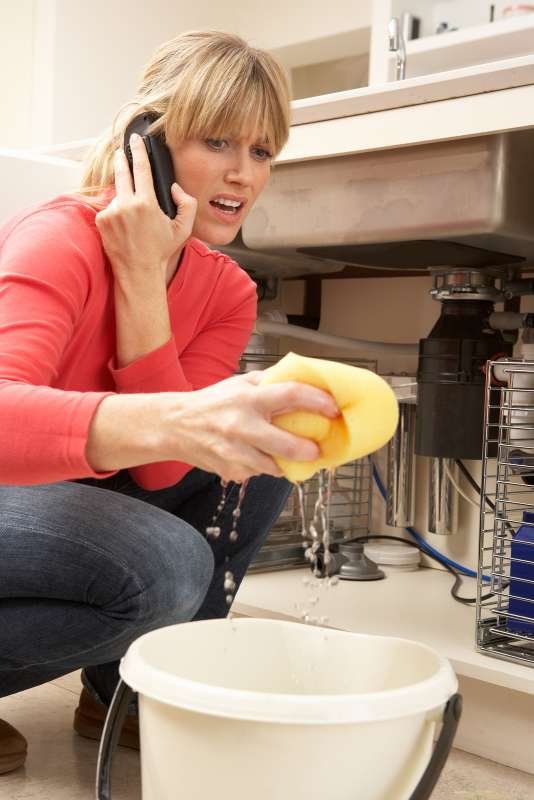
Septic System Services
Setting up, fixing, and keeping septic tanks.
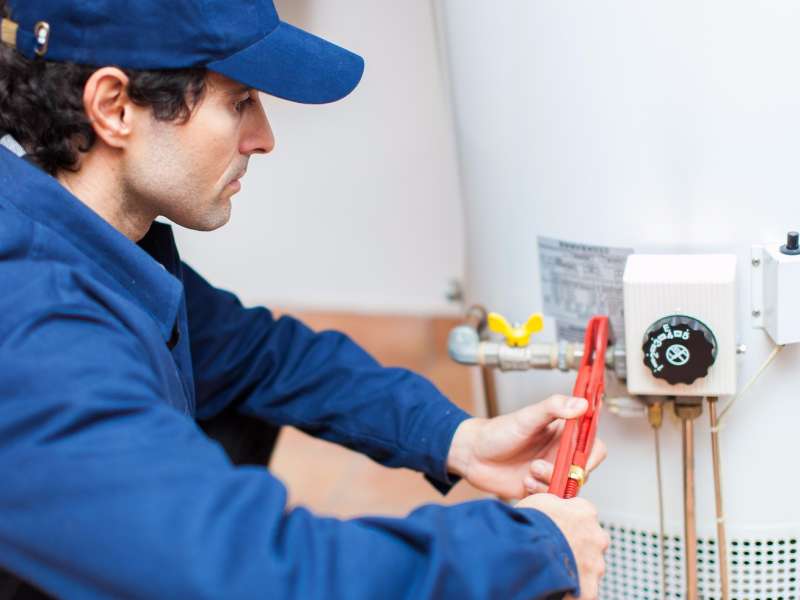
Sump Pump Installation and Repair
Handling groundwater in basements.
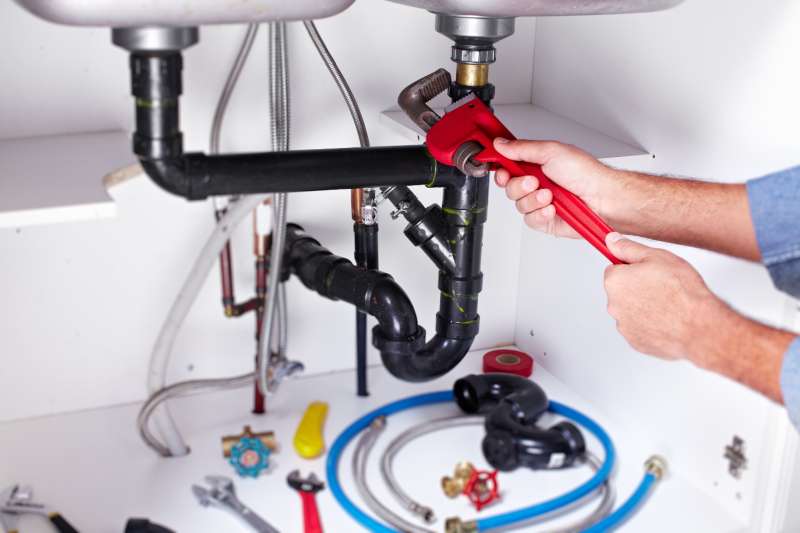
Upgrading Fixtures
Installing water-efficient or modern-day fixtures.
Water Efficiency Consulting
Encouraging on water-saving methods and products.

Water Filtration Systems
Installing water softeners and filtering systems.
Water Heater Maintenance
Flushing and examining hot water heater to lengthen life expectancy.
Water Heater Repair
Dealing with issues with temperature level, leakages, or failure to heat water.
Waterproofing
Safeguarding basements or other areas from water invasion.
Sewer Backups
Immediate attention to prevent contamination and health threats.